


Digital and online spaces are a wonderful thing. We have unprecedented access to information at our fingertips, driving productivity higher and letting us work and connect from almost anywhere in the world. But in the modern age, both come with concerns. The World Wide Web has changed a lot since 1989, and not all of it has been good. Today, it can be tough to draw the line between healthy and unhealthy use. So let’s take a look at how we all learn to use this technology in a more positive, healthy way and shake some of the bad habits we’ve accrued.
Drawing the Line
It can be tough to figure out whether certain digital usage is cause for concern or not. For example, many careers involve sitting in-front of a screen for most of the day, with some careers completely dependent around social media or other online platforms. The reality is that there isn’t — and can’t be — a bright-line standard for what’s considered unhealthy or not.
In all likelihood, your situation is different from everybody else’s, so answering this question is solely yours to do. Instead, we’ll take a look at some research and trends into why certain behaviours can become problematic if left unaddressed.
Disconnection from Real Life
One of the first signs of problematic internet use is when real life becomes the backdrop to online life. This can be hard to spot yourself, but if your digital existence has become more important than reality, it might be time to step back and evaluate your situation.
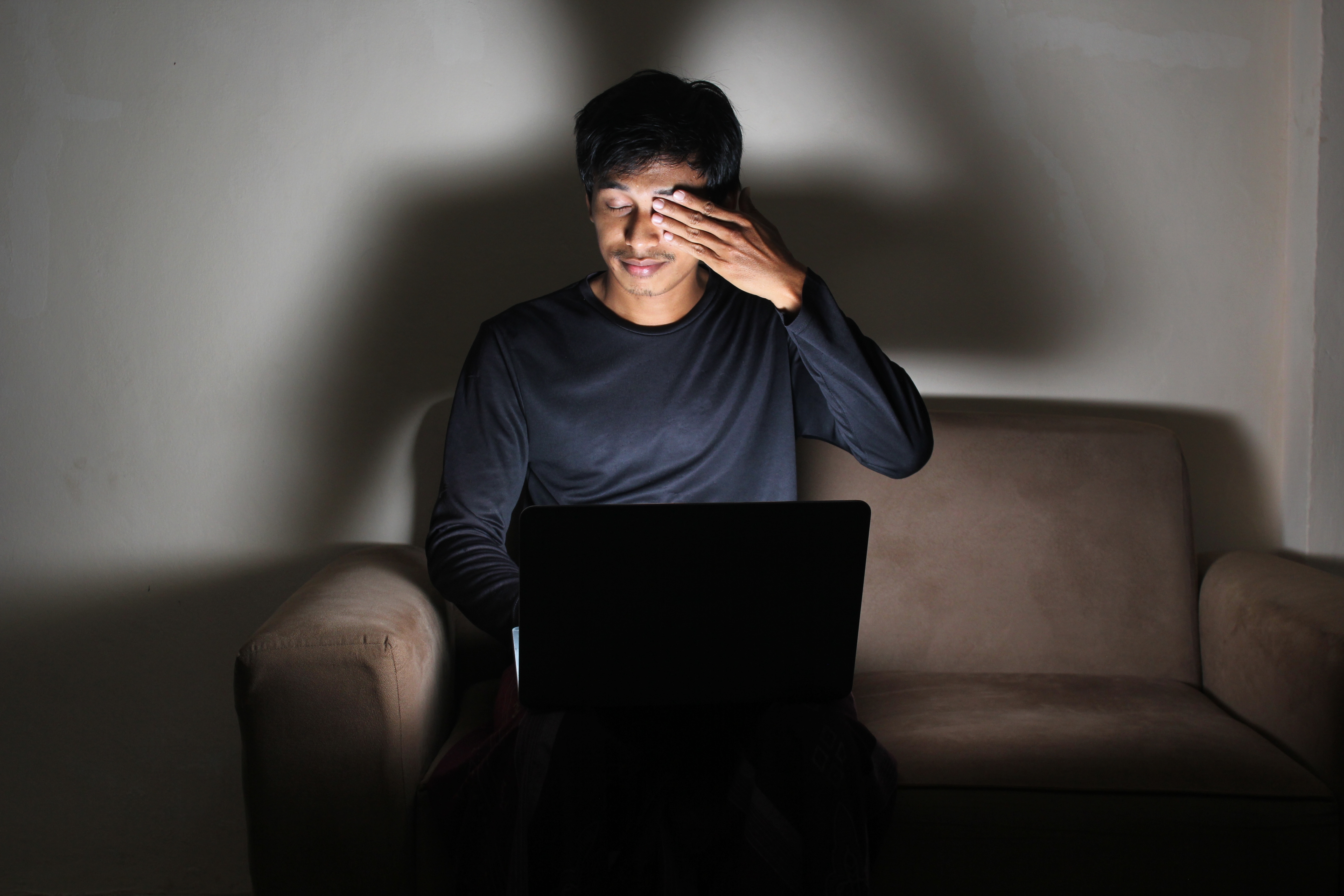
The digital era has put online spaces all around us, and it can be frighteningly easy to fall down into isolation. We’ve heard personal stories of what being caught up in the online world can do to you. Online platforms are increasingly being found to cause digital addiction, in large parts by taking away your self-control and flooding you with dopamine. It’s therefore important to find balance between staying connected with both online and physical worlds.

“Comparison is the Thief of Joy”
We’ve all heard the saying. And nowhere is it more true than online. On the internet, there will always be someone that you feel is better than you — that’s just what happens when you put the entirety of the human race in a single place. But it can also happen in smaller groups, and both can take away from your satisfaction with your own life.
Once again it’s social media at the forefront of damages here. These platforms provide a place to share ‘your life’, except what they actually do is incentivise you to share only the absolute best parts. More people are recognising this illusion, but for those newer to the online space — especially children and teenagers — it can feel like your world isn’t “good enough”. Now, governments are starting to address this growing concern with some implementing (or considering) a social media age restriction.
Echo Chambers and Online Divisiveness
In the modern day, outrage gets clicks. The compounding effects of negativity and anonymity can quickly boil over into a damaging environment that you can’t easily leave. Coupled with an algorithm that wants to show you more of what you already agree with, unhealthy impacts on your digital wellbeing can quickly become onset, ranging from polarisation to social struggles.
Both of these issues can be tough to get away from because they rely on changing what content you see online. In a personalised digital world, you’re limited in control of what you see. It’s up to you to find the features in the platforms you use to take more control of what you see.
Overwork in the AI Age
Artificial intelligence has been touted as a major boost to productivity by industry and governments alike. But its promise of a more efficient workforce isn’t a straightforward path— AI allows workers to do more in less time, but it risks creating an culture of overwork.
When AI can accelerate your timelines, you’re likely required to take on more at once. And while their workload for each individual task could see a drop, AI can quickly intensify the work they will do. This can accelerate burnout and increase the number — and severity — of mental health problems for employees. Younger generations are already struggling more with employment-related stress, so it’s critical that both sides of employment recognise, raise and work to resolve these issues before they can cause damage.
Maintaining a Health Digital Life

In the modern day, it’s harder than ever to stay in control of the digital media that you see. Everyone from young people to older generations can easily get caught in a digital life that doesn’t work form them. More and more, maintaining a healthy digital life means being deliberate about your online life.
Like all good things, avoiding an unhealthy digital life is all about balance.
Digital overload is a very real thing, and problematic and excessive use will get you there faster. Today, getting the balance right is critical to live a healthy and fulfilling life.