



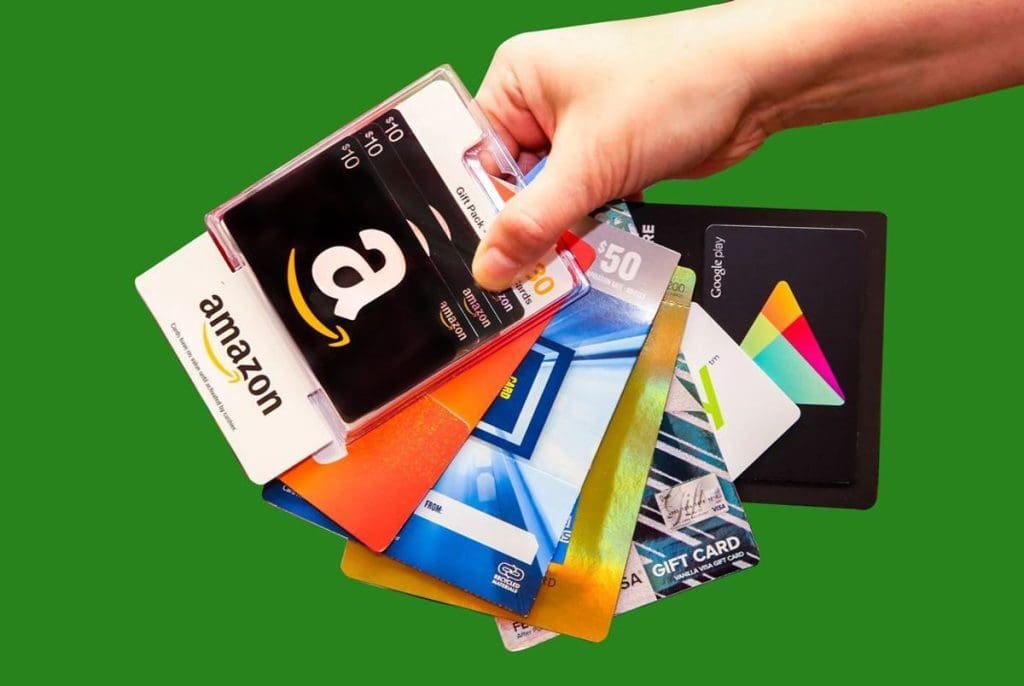
Gift cards are a popular choice for modern gifting, providing convenience for givers and choice for receivers. In 2023, the global gift card market was valued at $984.3 billion and is expected to soar to $3.09 trillion by 2030, highlighting their increasing popularity. Using the information provided from capital one shopping, this article delves into key statistics to guide you in choosing your gift cards more efficiently.
Behaviours and Spending Patterns
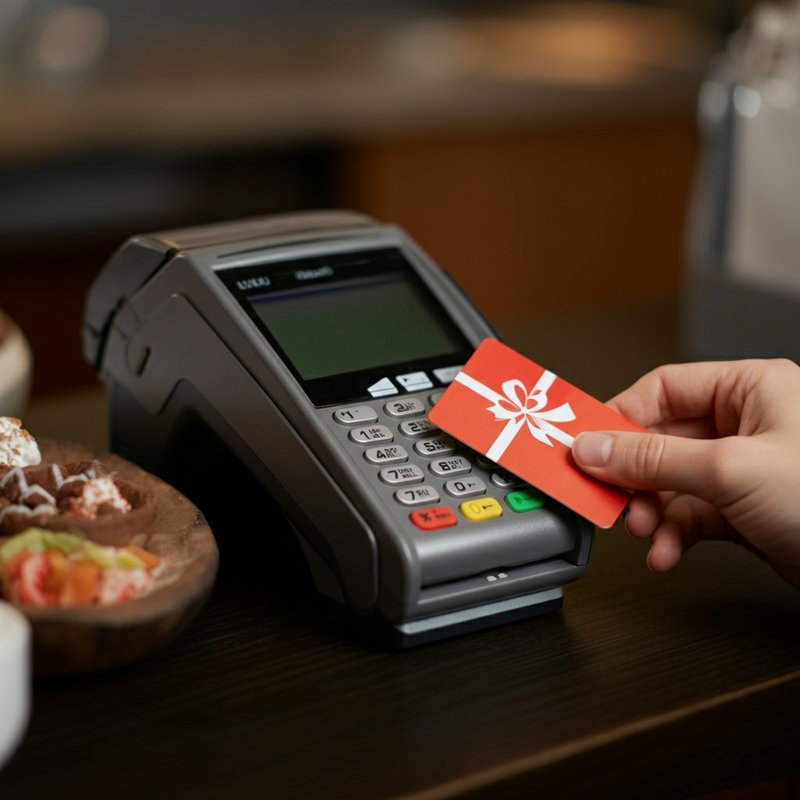
Gift cards are not just popular during holidays but also as last-minute gifts all year round. In fact, 32% of people buy physical ones on the same day they give them, and 52% do so because they find them convenient.
Moreover, people tend to spend an average of $31.75 more per transaction than the card's value. This is likely because they want to use up all the money on the card. Interestingly, people spend about 21.6% less when buying gift cards compared to other items. This may be because they're more willing to exceed their budget for a 'perfect' gift than for a gift card.
Unused Gift Cards
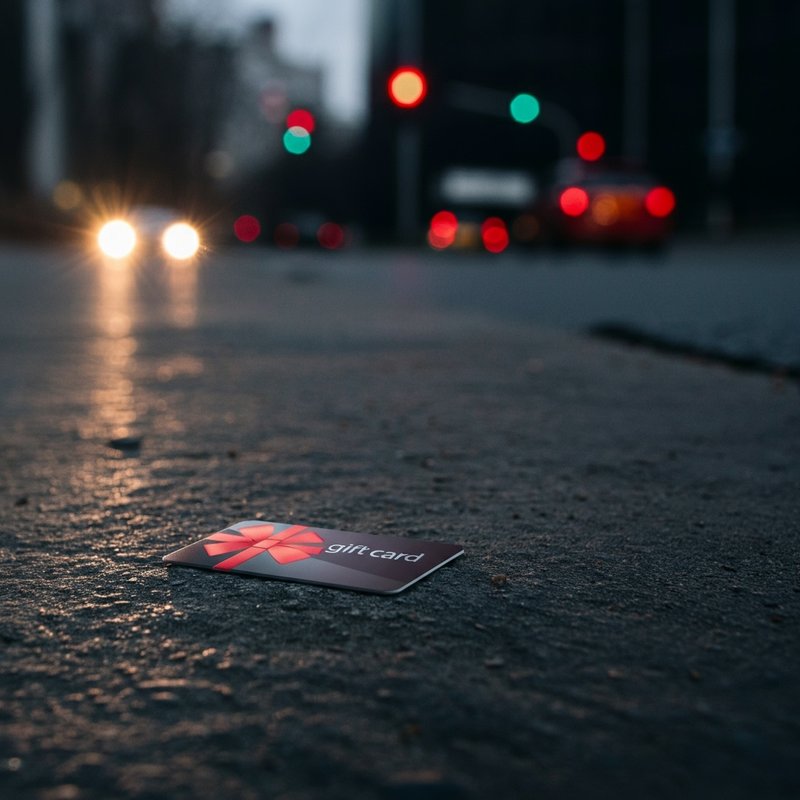
Despite their popularity, a significant portion of gift cards go unused. Approximately 43% of American adults have unused cards totalling around $23 billion in unspent funds in the U.S alone. On average, Americans hold onto unused cards worth $244 each.
Several factors can contribute to this:
- Expiration: 29% have had at least one gift certificate expire before they could use it.
- Loss: 27% have lost at least one gift card.
- Business Closure: 21% were unable to use their gift card because the business closed permanently.
Higher-income individuals are more likely to have unused gift cards (55%), while those in lower income brackets are most likely to use theirs (76%).
When you’re gifting:
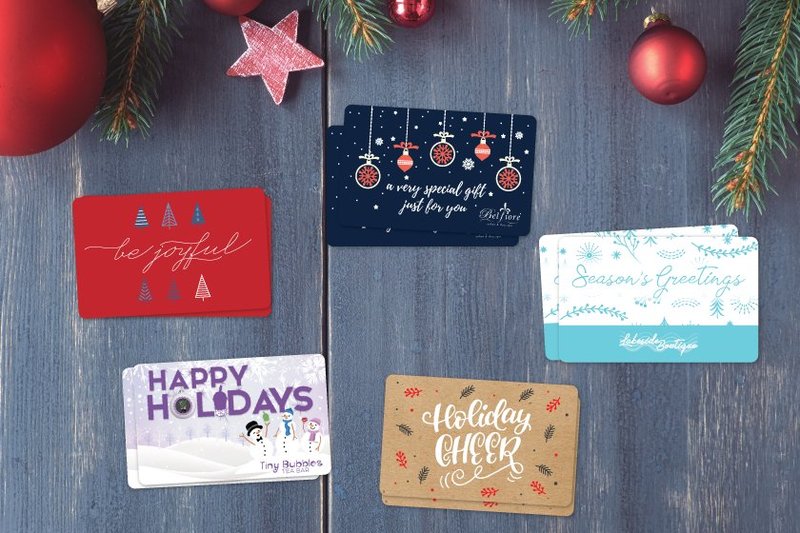
During holidays, especially Christmas and other major celebrations, gift card purchases rise. For gift card design, consumers have been shown to prefer holiday-themed or wintery designs for these seasonal purchases with 43% favouring holiday images while 24% prefer winter landscapes.
However, for non-holiday gifting, you can decide on whether a gift card is the best gift using these generational statistics
- Millennials (1981-1996): Spend the most on gift cards annually ($456).
- Millennials have higher digital card usage rates at 75%.
- Gen X (1965-1980): Most likely to have unused cards ($255 average).
- Gen Z (1997-2012): Least likely to purchase or use them extensively.
- Baby Boomers (1946-1964): Prefer physical over digital options with 97% reporting utilization of physical cards.
Fraud with Gift Cards:
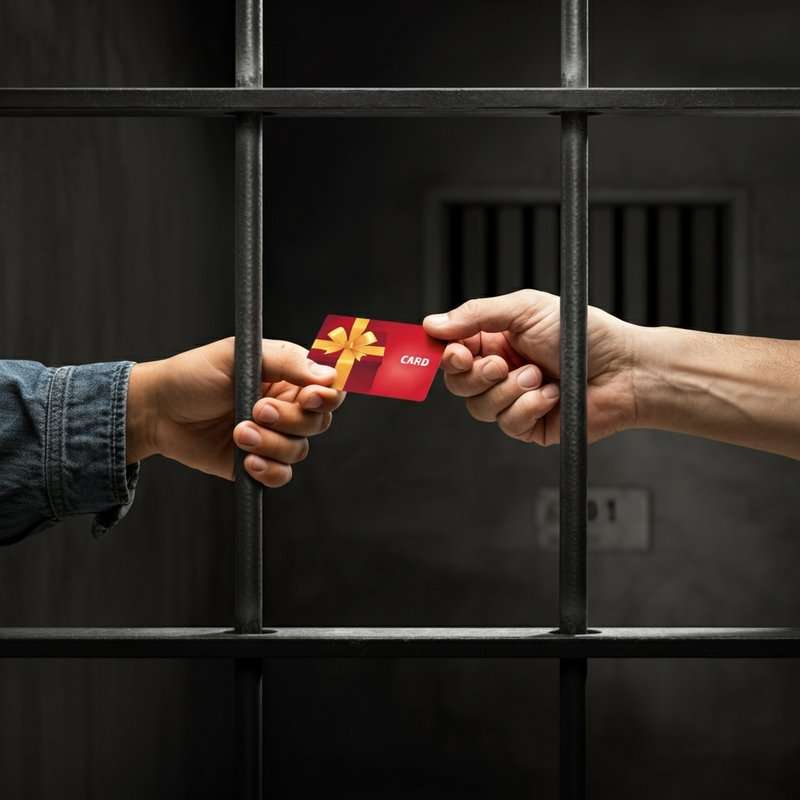
Unfortunately, fraud is an issue with 1 in every four people who report losing money through fraud indicate involvement with giving numbers off the back of gift cards. This shows its prevalence within scam tactics landscape today as they’re less likely to be traced— similar to cash.
Scammers often demand fees for claiming prizes, sweepstakes, or lottery wins, causing significant losses. Many victims report losing substantial amounts, with a median loss of $1380 through just Google Play alone.
Between January and September in 2021, 75% of the reported losses exceeded $5000 per case, displaying the severity of this issue.
Conclusion
Gift cards are convenient for both givers and receivers, making them ideal for various occasions like birthdays, anniversaries, weddings, and baby showers. However, understanding the trends and behaviours behind them can allow you to use them effectively.