




Over the last few decades, the technology industry has moved fast. Every year brings faster processors, better cameras, smarter software, and new connected devices. But while innovation continues to accelerate, the hidden cost of technology is becoming harder to ignore. As consumers replace smartphones, smartwatches, wireless earbuds, and other personal devices more frequently, a growing problem is emerging: technology waste and hidden financial costs.
We Own More Technology Than Ever Before
A decade ago, most people owned a smartphone and perhaps a laptop.
Today most of us carry an ecosystem of connected devices.
A smartphone lives in our pocket. Wireless earbuds travel in a charging case. A smartwatch sits on our wrist. A fitness tracker monitors our exercise. Some people wear smart rings that track sleep and health metrics. Others are beginning to experiment with AI-powered glasses, pendants, and always-on assistants powered by artificial intelligence.
Individually, these devices may seem insignificant. Collectively, however, they represent an enormous amount of hardware that will eventually need to be repaired, recycled, or discarded.
Each device contains valuable materials including lithium, cobalt, copper, rare earth minerals, sensors, chips, and batteries. Yet many are designed with surprisingly short lifespans, meaning they are often discarded long before their components have reached the end of their potential usefulness.
The Hidden Environmental Cost
Electronic waste, or e-waste, is one of the fastest-growing waste streams in the world. As more devices enter our lives, the volume of disposable technology continues to rise, creating significant environmental challenges. The the biggest contributors to technology waste is the rechargeable batteries.
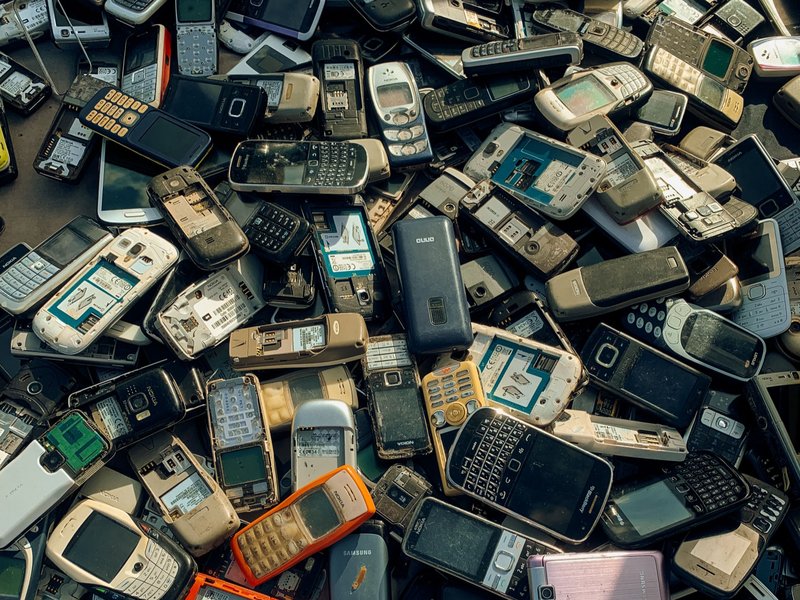
Rechargeable batteries naturally degrade over time. Eventually, devices need more frequent charging and become less convenient to use. While older devices often allowed batteries to be replaced relatively easily, many modern products are sealed shut, making battery replacement difficult, expensive, or in some cases impossible.
As a result, consumers often discard products long before their other components fail. This increases the accumulation of the e-waste significantly, causing a direct harm to the environment.
The environmental impact goes beyond the waste we can see. Every replacement device requires new materials, manufacturing, packaging, and transportation. When millions of consumers replace technology because of a degraded battery, the entire cycle of resource consumption begins again. The same is true of data centers that power AI services, which require computing power and electricity.
The Hidden Financial Cost
The disposable technology doesn't just affect the environment. It also affects consumers’ wallets. Hidden support costs, licensing costs, and unexpected extra costs can also add to the total cost of ownership of technology.
When a battery fails, a repair can sometimes cost enough to make purchasing a replacement seem like the more sensible option. In other cases, repair services may be difficult to access, spare parts may be unavailable, or the device simply wasn't designed to be repaired in the first place.
Consumers then face a simple choice: repair an old device or replace it.
For a single device, the cost may seem manageable. But when consumers own multiple connected products, those replacement costs begin to add up.
These days a person may replace a smartphone every few years, wireless earbuds after battery degradation, and a smartwatch when repairs become impractical. Over time, the convenience of replacement becomes significantly more expensive than owning technology built for longevity.

The result is a cycle where consumers continuously pay for products that could potentially have remained useful for much longer.
Building Technology That Lasts
The good news is that this problem is not impossible to solve. Small design decisions could significantly extend the life of modern devices.
Manufacturers can take meaningful steps by:
- Designing products with easily replaceable batteries
- Making repairs and maintenance more accessible and affordable
- Providing spare parts for independent repair services
- Extending software support periods to help devices remain secure and useful
- Prioritising longevity alongside performance and design
Governments can support right-to-repair initiatives that give consumers greater control over the products they own. As consumers we can also help by supporting brands that prioritise repairability and long-term support. Designing for longevity can help reduce costs, technical debt, and the hidden cost of doing nothing about ageing technology.
A Future Worth Rethinking
Technology has become deeply personal. Our devices track our health, manage our schedules, capture our memories, and connect us to the world around us.
Yet many of these products are built within a system that encourages replacement rather than longevity.
We are adding more technology to our lives every year. The real question is not how many new devices we can create, but how long we can keep the ones we already own.
The hidden cost of our tech isn't just the waste we can see. It's the resources consumed, the money spent, and the value lost every time a device is replaced before its time.
The next generation of technology shouldn't simply be smarter. It should be built for longevity.