


In the fast-paced world of software development, finding the right balance between coding and personal life can be challenging. As developers, we often find ourselves immersed in lines of code, debugging sessions, and tight deadlines. However, achieving a harmonious work-life balance is crucial not only for our mental well-being but also for our productivity and creativity. This guide aims to provide actionable insights on how to craft a balanced and fulfilling coding lifestyle.
The Importance of Work-Life Balance for Developers
Work-life balance refers to the equilibrium between professional responsibilities and personal activities. For developers, this balance is essential because:
- Mental Health: Prolonged periods of stress can lead to burnout, anxiety, and depression.
- Productivity: Overworking can diminish productivity over time as cognitive functions decline.
- Creativity: A well-rested mind is more likely to come up with innovative solutions.
Strategies for Achieving Work-Life Balance
Set Clear Boundaries
One of the most effective ways to maintain work-life balance is by setting clear boundaries between work hours and personal time. Here are some tips:
- Define Work Hours: Establish specific start and end times for your workday.
- Dedicated Workspace: If you work from home, create a designated workspace that you leave at the end of your workday.
- Digital Detox: Avoid checking emails or messages after working hours.

Prioritise Tasks Effectively
Effective task management can help prevent overwhelming workloads:
- Use Task Management Tools: Tools like Trello, Asana, or Jira can help you organise tasks based on priority.
- Break Down Tasks: Divide large projects into smaller tasks that are easier to manage.
- The Pomodoro Technique: Work in focused intervals (e.g., 25 minutes) followed by short breaks.

Embrace Flexibility
Flexibility can be a double-edged sword if not managed properly:
- Flexible Hours: If possible, negotiate flexible working hours with your employer.
- Remote Work Options: Working remotely can save commuting time and offer a more comfortable environment.
Invest in Continuous Learning
Staying updated with the latest technologies without feeling overwhelmed requires strategic learning:
- Set Learning Goals: Define what skills you want to acquire within a specific timeframe.
- Online Courses & Tutorials: Platforms like Coursera, Udemy, or Pluralsight offer structured learning paths.
- Join Communities: Engage with developer communities on GitHub or Stack Overflow for collaborative learning.

Personal Well-being Practices
Physical Health
Physical health significantly impacts mental clarity and energy levels:
- Regular Exercise: Incorporate physical activities like jogging, yoga, or gym workouts into your routine.
- Healthy Diet: Maintain a balanced diet rich in nutrients that support brain function.
Mental Health
Taking care of your mental health is equally important:
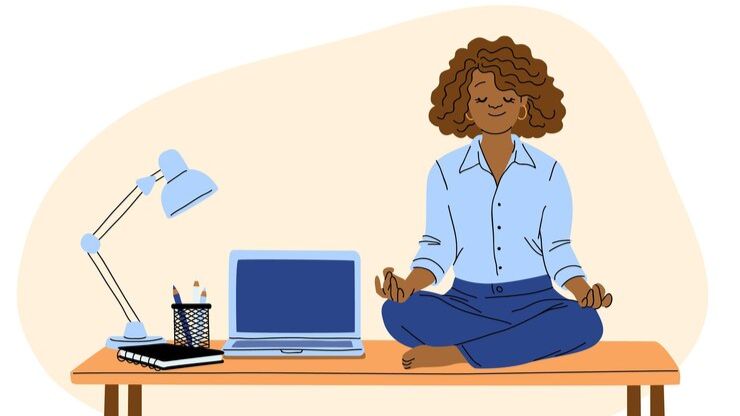
- Mindfulness & Meditation: Practices like meditation can reduce stress levels.
- Hobbies & Interests: Engage in activities outside coding that bring joy—be it painting, music, or reading.
Social Connections
Human interactions are vital for emotional well-being:
- Family Time: Spend quality time with family members without distractions from work.
- Networking Events: Attend industry meetups or conferences to build professional relationships while enjoying social interactions.
Conclusion
Achieving harmony between coding and life involves intentional efforts in setting boundaries, managing tasks efficiently, embracing flexibility responsibly, investing in continuous learning, and prioritising personal well-being. By incorporating these strategies into daily routines, developers can cultivate a balanced lifestyle that fosters both professional success and personal fulfilment. Remember that maintaining this balance is an ongoing process requiring regular adjustments as circumstances evolve.