



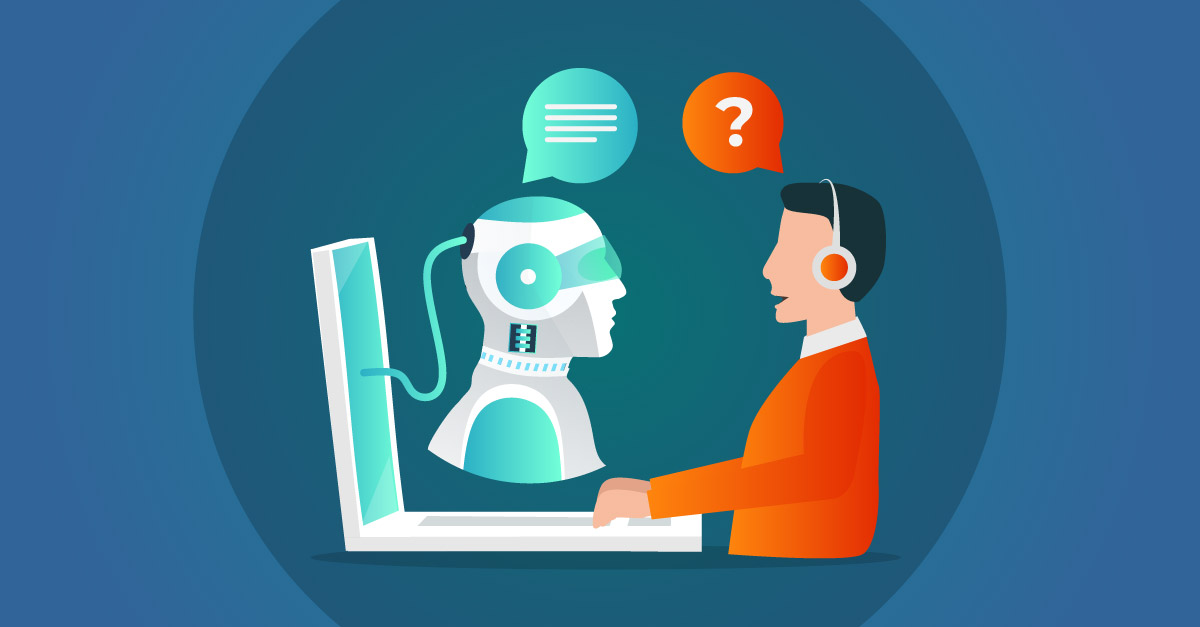
Artificial Intelligence (AI) is making waves across various industries, and software development is no exception. The integration of AI into the software industry is transforming how applications are built, maintained, and improved. In this post, we will explore three key areas where AI is revolutionising software development: enhancing user experience through AI-powered features, aiding developers in mundane tasks, and the irreplaceable role of human creativity in software engineering.
Enhancing User Experience with AI Powered Features
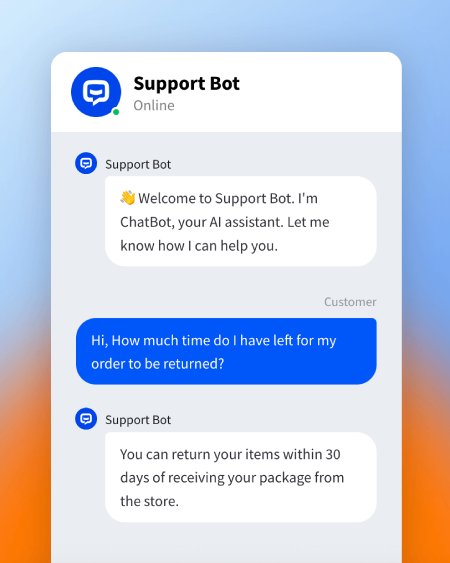
The incorporation of AI into software products has significantly enhanced user experiences. One notable example is the use of AI assistants on websites. These intelligent systems can interact with users in real-time, providing instant support and guidance. For instance:
- Chatbots: Many websites now feature chatbots that can answer frequently asked questions, guide users through processes like registration or checkout, and even troubleshoot basic issues. This not only improves user satisfaction but also reduces the workload on customer service teams.
- Personalisation: AI algorithms analyse user behaviour to provide personalised content recommendations. Whether it's suggesting products on an e-commerce site or recommending articles on a news platform, personalisation keeps users engaged and increases conversion rates.
- Accessibility: AI-driven tools can make websites more accessible to people with disabilities. For example, screen readers powered by natural language processing (NLP) help visually impaired users navigate web pages more effectively.
By adding these intelligent features to software products, companies can create more intuitive and responsive applications that meet the diverse needs of their users.
AI is Assisting Developers with Mundane Tasks
AI isn't just improving end-user experiences; it's also proving to be an invaluable tool for developers themselves. Software development involves numerous repetitive (and time-consuming) tasks that can be streamlined with the help of AI:
- Code Generation: Tools like GitHub Copilot use machine learning models to suggest code snippets based on the context of what a developer is writing. This can speed up coding by automating boilerplate code generation.
- Debugging: Automated debugging tools leverage AI to identify potential bugs in codebases quickly. They analyse patterns from vast amounts of data to predict where errors might occur and suggest fixes.
- Refactoring Code: Refactoring involves restructuring existing code without changing its external behaviour. It’s essential for maintaining clean code but often tedious. AI-powered refactoring tools can automate this process, ensuring best practices are followed without manual intervention.
The Irreplaceable Role of Human Creativity
Despite its many advantages, AI cannot replace human developers entirely due to several limitations:
- Contextual Understanding: While AI excels at pattern recognition and data analysis, it struggles with understanding specific contexts that influence decision-making in software design. A nuanced understanding of business requirements or user needs often requires human intuition.
- Accuracy Issues: Although advanced models like GPT-4o and Github Copilot have shown impressive capabilities in generating text or code snippets, they are not infallible. Many times their suggestions may be incorrect or suboptimal because they lack comprehensive knowledge about all possible scenarios.
- Creativity & Innovation: Developing large-scale robust systems requires creativity—a domain where humans still outperform machines significantly. Crafting unique solutions tailored precisely for particular problems demands innovative thinking beyond what current AIs offer.
While the majority of answers provided by AI might sometimes miss the mark technically or contextually, correct responses still serve another purpose—they introduce new perspectives which could inspire alternative approaches among developers themselves.
Therefore rather than viewing artificial intelligence as competition within the realm of programming, one should perceive it as a complementary tool that augments a developers abilities abilities, enabling achieve greater efficiency innovation tandem human ingenuity
Conclusion
Artificial Intelligence has undoubtedly revolutionised various facets within the software industry. It enhances both end-user experiences and aids developers by handling mundane yet necessary tasks. However, despite the remarkable advancements made in this field, the critical role played by human creative problem-solving skills remains evident. Together, this symbiotic relationship between man and machine promises an exciting future in the ever-evolving world of tech.