


The differences between Personalisation and Customisation
Personalisation and customisation are not the same although both aim to create content in the interests of the user.
Firstly, personalisation is being conducted through a system where developers identify users’ content, experiences and functionality that suits their role.
Customisation is owned by users where the system enables them to customise their experiences to meet specific needs.
Why Personalise?
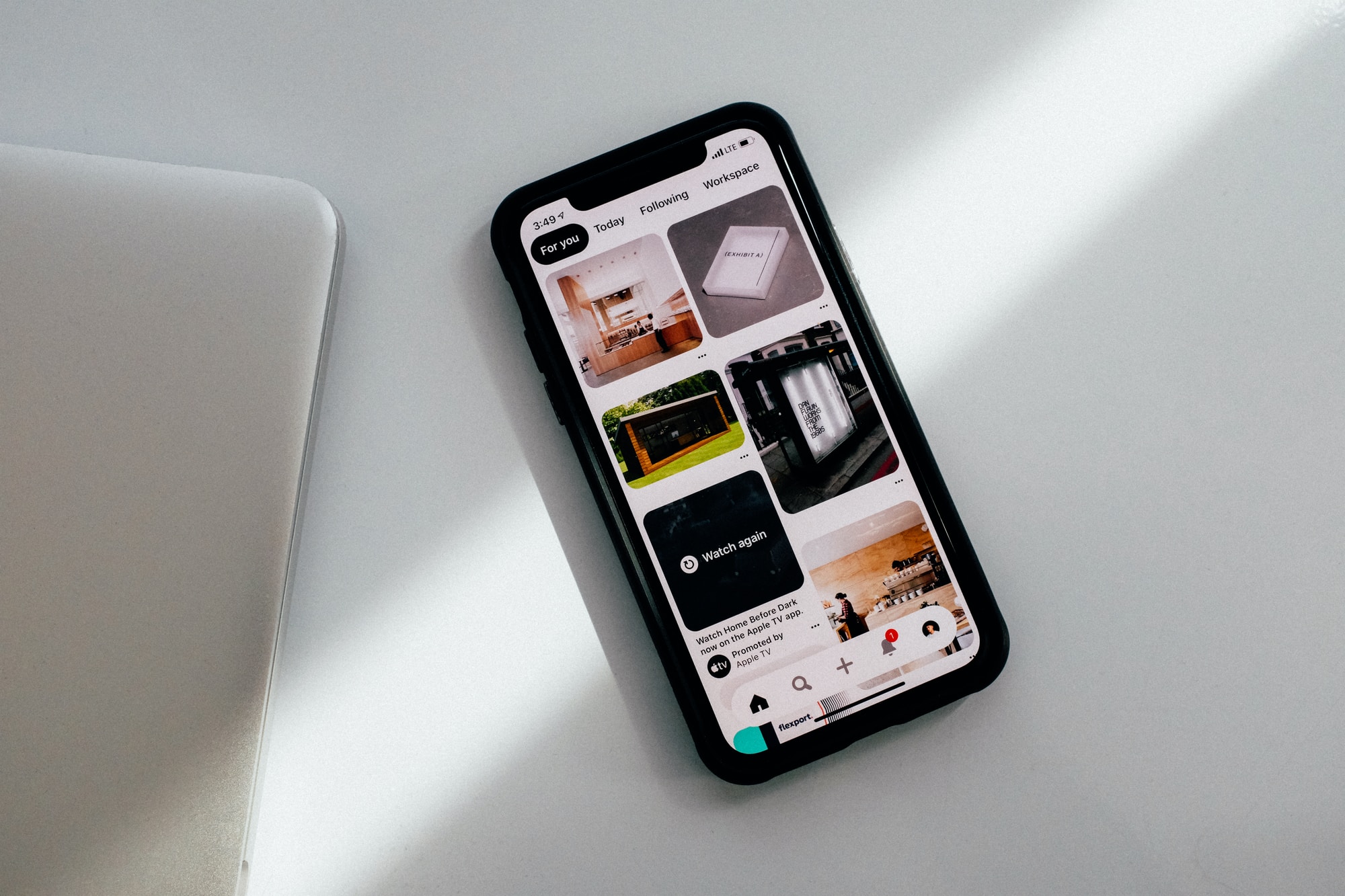
Personalisation would deliver or emphasise particular information, restrict and grant access to certain features, such as simple transactions or processes by remembering information of the user.
For instance, you were on a particular travel website, you would likely see a sales promotion or special deals on the destination based on the websites you visited.
Therefore, on the intranet, the personalisation may retain past searches to enable quick access to information that have might suit your interest once more.
If you want to take any action to edit the changes, the system will make its call based on the identification of the user.
Different Types of Personalisation:
Role-Based personalisation associate the users together according to certain characteristics.
It is well-established and recognised in advance as it is engaged to be inferred by the computer system on individual user’s interaction and search history.
Individualised personalisation is where the computer system creates a model of each user.
It presents a variety of things to the user which means the system might infer the user based on their recent interaction and search history.
Examples of Personalisation
Spotify
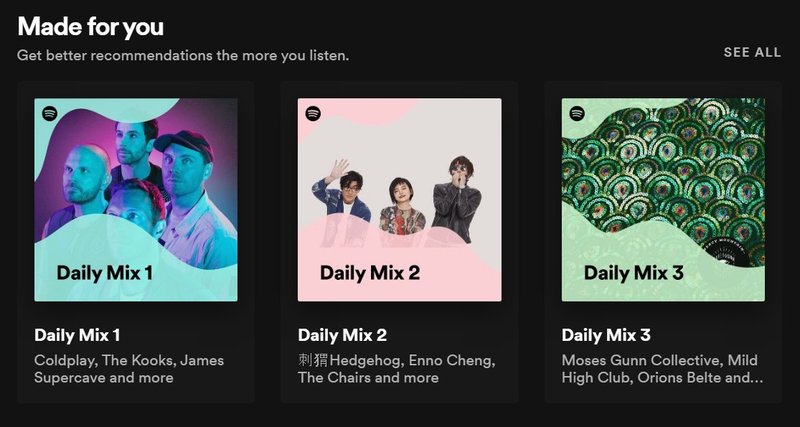
Most people who enjoy music will know Spotify. The computer system designed their recommendations based on the music genres and languages you listen to the most to engage with the users to continue using their platform.
Spotify also allows users to create their own playlists and put their favourite songs in the library of Liked Songs”.
For other personalisation, such as downloading your favourite music on the app, a paid premium membership is needed.
Uniqlo
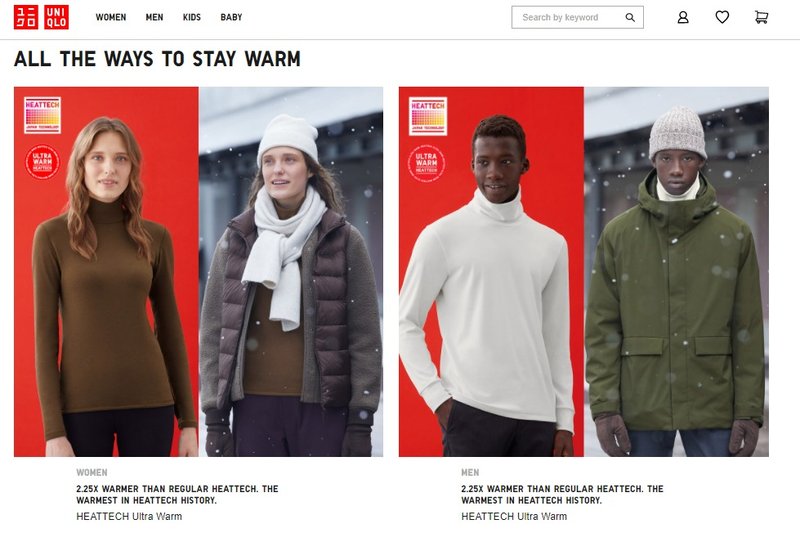
Season changing will impact how users buy their apparel online and using season date as a personalisation tool, will plays a crucial role in a wide range of purchasing decisions like how Uniqlo did.
Khan Academy

Khan Academy's personalisation sorts users out by having different options. Each option has a different type of teaching technique where users will find it easier to learn or teach respectively.
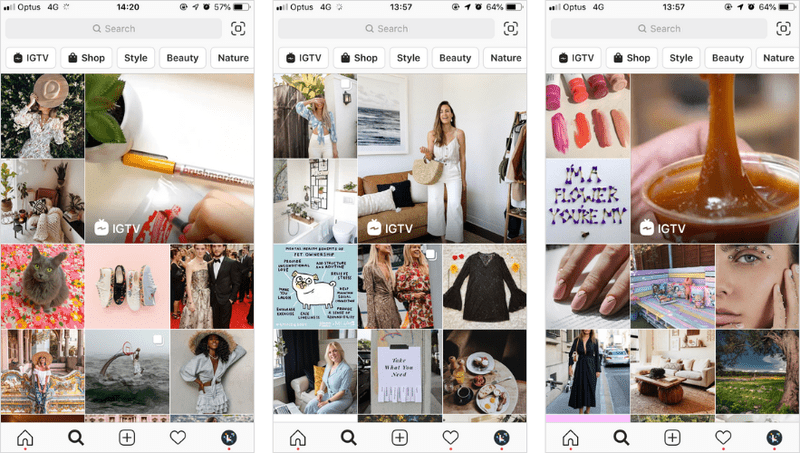
Instagram’s Discover page is a prime example of an application that uses advanced personalisation to provide content for the user’s preferences. Instagram uses an algorithm to filter content to match the users preferred content.
YouTube
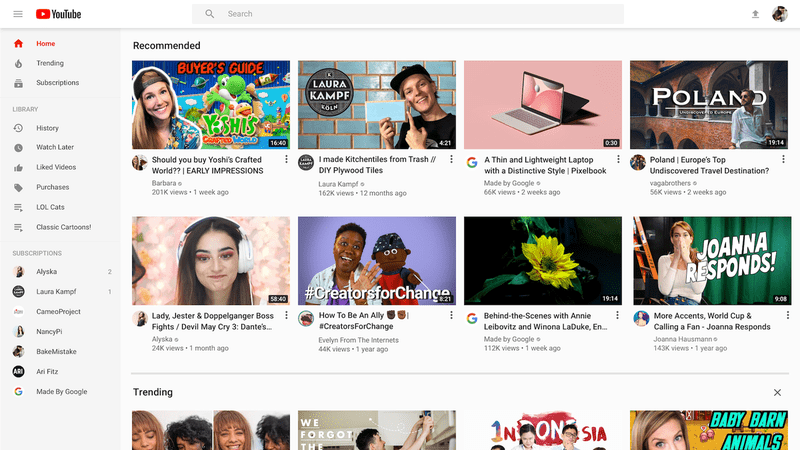
YouTube is also another example of advanced personalisation in design. The Recommended section on the YouTube home page will provide videos that YouTube’s algorithm thinks you would like. These recommendations also depend on the previous videos the user has watched. These recommendations also transfer across all platforms.
Where to start for Personalisation
If you are looking for someone to help personalise your site or an app, FONSEKA are experts at providing the right pathway. FONSEKA has implemented multiple digital solutions to ensure that personalisation is done appropriately. Start improving your product’s personalisation by contacting FONSEKA today!