



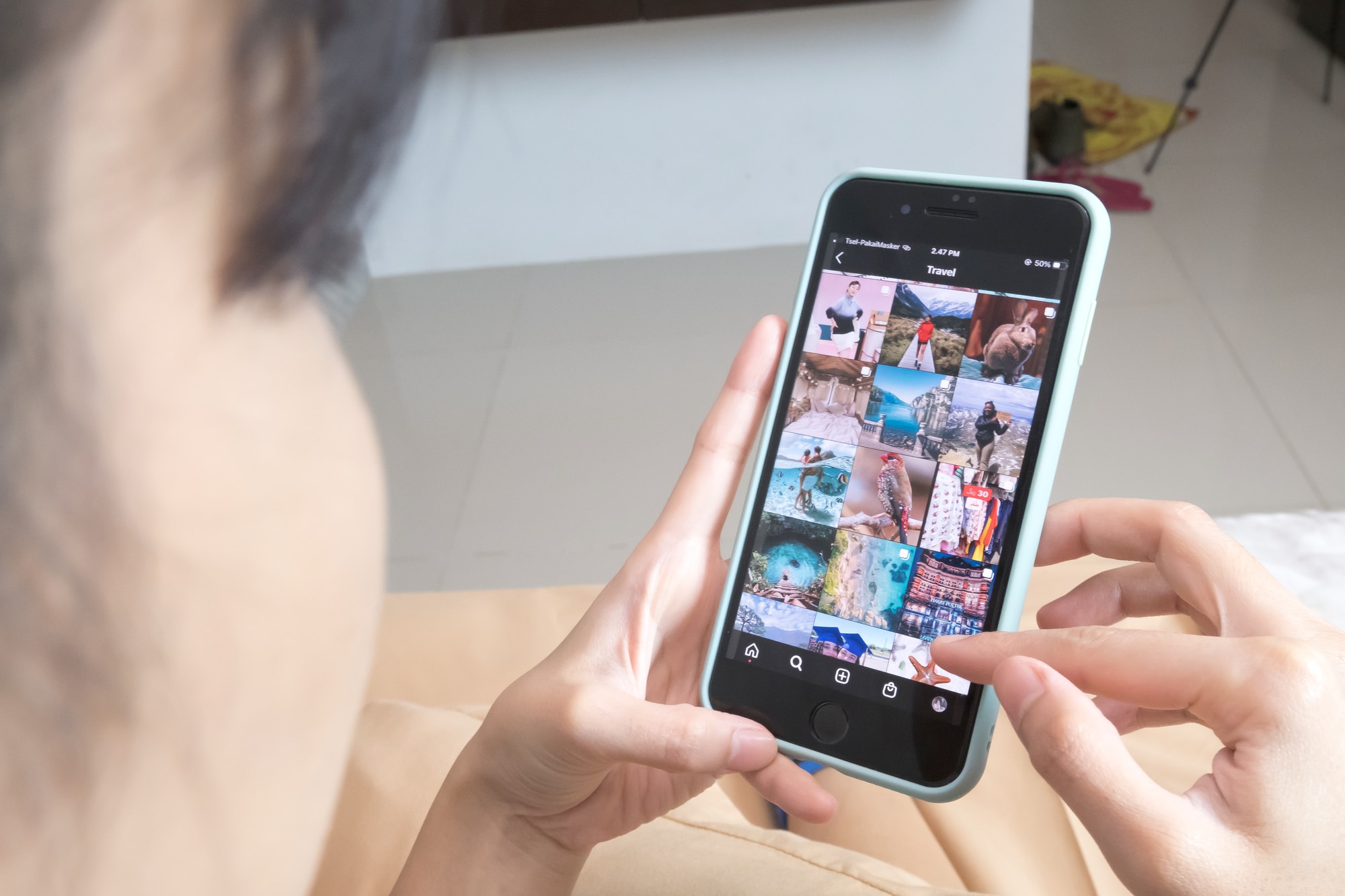
Micro Interactions are at the core of how we experience technology, most notably websites, apps and game interfaces. They are the little interactive details and motions on an interface that collectively make the user’s overall experience. Think about how icons change colour or size when you hover your mouse over them. Ever been delighted by an animation of confetti filling the screen when you send ‘congratulations’ to someone on Facebook? These are two examples of micro interactions which may have grabbed your attention or completely passed you by.
Old vs new technology
In the early days of computers, humans had to learn entirely new languages and behaviours just to make machines perform the desired actions. A ‘user manual’ was a necessity in the early days of computers and photocopiers. People had to learn to speak machine and understand the buttons and processes involved in achieving the desired response from the technology. When this knowledge was not already known, a user had no logical way of figuring it out. You either knew how to do it or you were left clueless and frustrated.
Granted, this is an issue which still plagues many of our daily machine interactions. Learning how to use photoshop completely by yourself is a difficult task. However, thanks to the gradual incorporation of micro interactions in the designs of technology, machines and programs are slowly bridging the communication gap between humans and their tech. This makes for much less frustrating and immensely more efficient processes. Now when coming across a new program or machine, most people can eventually find their way around the basic functions through their own exploration and following the digital prompts. This is indeed thanks to our emerging generations becoming more tech savvy, but also due to good design in advanced micro interactions.
How micro interactions help us
Instead of expecting humans to speak machine, we’re gradually designing the machines to speak human instead. Most computers and programs can now communicate their processes, what they’re ‘thinking’ and why things might not be working properly. An example of this is how loading screens have evolved over time. Rather than clicking on something and the page freezing or going black during the transition between pages, loading icons were introduced to visually communicate processing. This communicates to the user that while the screen may be blank, it’s not because it’s broken. The machine is simply undertaking a process which may take a moment of patience. The machine is communicating itself to the user in the same way humans need to communicate their thoughts to be understood by others.
Over time these interactions have become more advanced. They can utilise animation, written feedback and even mini games to keep you entertained while you wait for loading screens. These Micro interactions keep users entertained, intrigued and engaged when undertaking even the most simple and mundane actions.
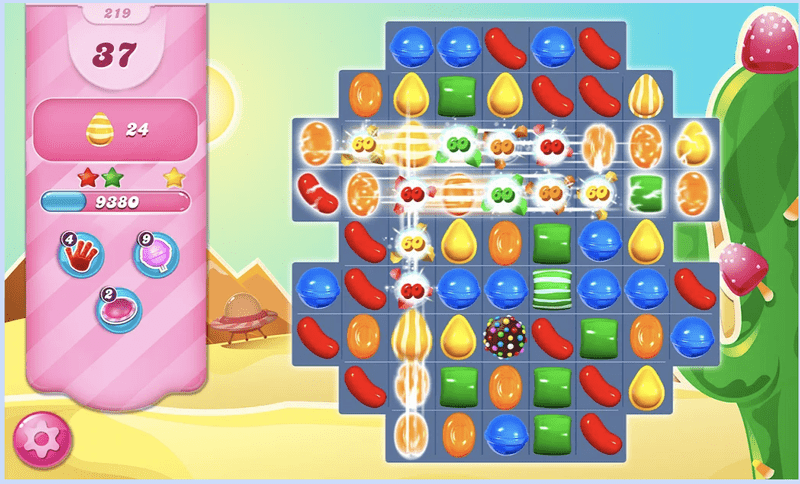
Just observe how Candy Crush managed to demand the world’s attention with just a simple swipe and match 3 game mechanic. By incorporating a wide array of animations, sound effects and visual stimuli for each micro interaction, it became a global sensation. A visually pleasing display or sound prompt becomes a reward for each interaction undertaken, no matter how small. This prompts the user to want to continue interacting with the interface out of sheer pleasure and satisfaction. When executed correctly, micro interactions can make a piece of software or technology incredibly popular among users.
For everyday use
Even if your intention is not to design an interface for the sake of entertainment or enjoyment, user engagement is always important. Consumers need to be able to navigate an app or website with ease to achieve the tasks they set out to. If this is difficult or particularly uninteresting, users can easily become frustrated. If you can use micro interactions to create an interesting banking experience, fitness app, or language translation tool, you have already set yourself up for happier, more satisfied customers.